

Table of Contents
Fitbit Air: Google’s $99 Answer to WHOOP
WHOOP charges $30 a month and has built a cult following among elite athletes and obsessive self-quantifiers. Google just walked in with a $99 one-time purchase and no subscription. That’s not a coincidence — that’s a statement.
The central question with this Fitbit Air review isn’t whether the hardware beats WHOOP on specs. It doesn’t, not entirely. The real question is whether Google’s AI coaching layer and Health ecosystem make that comparison irrelevant. This review is for WHOOP users eyeing the exit, Garmin owners curious about recovery-focused trackers, and Fitbit loyalists wondering if this is finally the upgrade worth making. Spoiler: the $99 price is the least interesting thing about this device.
[INTERNAL LINK: best fitness trackers ranked]
What Is the Fitbit Air? Google’s Screenless Wearable Explained

No display. No touchscreen. No notifications. The Fitbit Air is a band — just a band — and that’s entirely intentional.
The screenless wearable category has been validated by Oura Ring and WHOOP, both of which stripped the display to focus on sensor accuracy and battery life. Google is following the same logic. Without a screen drawing power, Fitbit Air claims up to six days of battery life. The form factor is slim, low-profile, and available in multiple band colors, designed to disappear on your wrist rather than demand attention.
Under the hood: optical heart rate sensor, SpO2, skin temperature, and electrodermal activity (EDA) for stress tracking. Water resistance hits 50 meters — swimming is fine. (Source: Google/Fitbit official specs) The device is light enough to genuinely forget during sleep, which matters more than most people realize for overnight tracking accuracy.
The design philosophy positions Air directly against WHOOP and adjacent to Oura. Google’s bet is that removing the screen removes friction, improves data quality, and extends wear time. That bet is sound. Whether the sensors back it up is a different question.
InsiderXP Fact: The Fitbit Air is priced at a one-time cost of $99 — compared to WHOOP’s subscription model that runs $360 per year, meaning a WHOOP user pays the equivalent of 3.6 Fitbit Air units in a single year.
Setup and the Google Fitness Tracker Experience Out of the Box
Setup is fast if you’re on Android. Pair through Bluetooth, log into your Google account, and the Fitbit app walks you through a baseline calibration period. The whole process takes under ten minutes.
iOS users: expect friction. The app works, but the deeper Google Health app integrations — particularly the AI-driven readiness scoring — lean heavily on Android data pipelines. If you’re on iPhone, you’ll get the core tracking features but miss some of the ecosystem connective tissue that makes this device compelling.
The onboarding flow collects your age, weight, activity level, and sleep goals, then starts building a baseline over the first five to seven days before serving up personalized metrics. That’s standard for the category and comparable to WHOOP’s calibration window.
Build quality feels above the price point. The band is soft silicone, the clasp is secure, and there’s no bulk. Wearing it through a night of sleep and then straight into a morning run without adjustment required is the actual test — Fitbit Air passes it. Nothing digs, nothing shifts. For $99, it doesn’t feel like a budget compromise.
Tracking Performance — What the Fitbit Air Actually Gets Right
Heart rate tracking in steady-state cardio is accurate. Compared against a chest strap during zone 2 runs, the variance is minimal — within two to three beats per minute in most conditions. That’s competitive with Garmin’s optical sensors and clearly sufficient for pacing-based training.
HRV accuracy is where things get more nuanced. Overnight HRV readings correlate reasonably well with chest strap baselines, but Fitbit Air samples during sleep rather than using a morning spot measurement like WHOOP. Different methodology, different number. Not wrong — just not directly comparable. (Source: WHOOP HRV methodology explained)
Sleep tracking is genuinely good. Stage detection (light, deep, REM) is granular, and the nightly summary is actionable rather than decorative. The sleep score synthesizes duration, disruptions, and restoration into a single number without dumbing down the underlying data. Oura is still the gold standard here — a reputation supported by independent accuracy research from Altini & Kinnunen, Scientific Reports (2021) — but Fitbit Air is closer than it has any right to be at $99.
InsiderXP Fact: A 2021 peer-reviewed study in Nature Scientific Reports established Oura Ring as the consumer wearable benchmark for sleep staging and HRV accuracy — the bar Fitbit Air is now being measured against.
Auto workout detection covers the obvious categories — running, walking, cycling, strength training. Weightlifting detection is passable but not precise; it won’t distinguish Romanian deadlifts from leg press. GPS uses your phone, which is a real limitation for outdoor athletes who run without carrying one. If you’re doing track intervals or trail runs and want accurate distance data, this is a dealbreaker. Know that going in.
The Google Health App — The Real Reason This Thing Exists
This is where the Fitbit Air review stops being about a wristband and starts being about a platform.
The Google Health app integrates Fitbit Air data with a broader health profile that can pull in data from Google Fit, connected third-party apps, and — for Pixel users — on-device health features. The dashboard is clean, the data visualization is genuinely useful, and the trend analysis over weeks and months is where it separates from simpler trackers.
The AI coaching layer delivers daily readiness insights that evolve over time. It’s not just “you slept poorly, rest today.” It’s pattern recognition across sleep quality, HRV trends, activity load, and stress markers. Google’s machine learning model gets more calibrated the longer you wear the device. Month three looks different from week one in terms of insight quality.
The privacy question is legitimate and shouldn’t be glossed over. Google’s health data policy states that Fitbit health and wellness data won’t be used for ad targeting without explicit consent. (Source: Google — Fitbit Privacy Policy) That’s the official position. Whether you trust it is a personal calculation. Health data is among the most sensitive data that exists, and feeding it to Google’s ecosystem requires a clear-eyed decision — not blind trust. Privacy-conscious users should read the data policy before committing.
That caveat noted, for users already embedded in the Google ecosystem, the integration is genuinely powerful. This is the moat WHOOP cannot easily replicate.
Fitbit Air vs. WHOOP — The Comparison Everyone Is Making

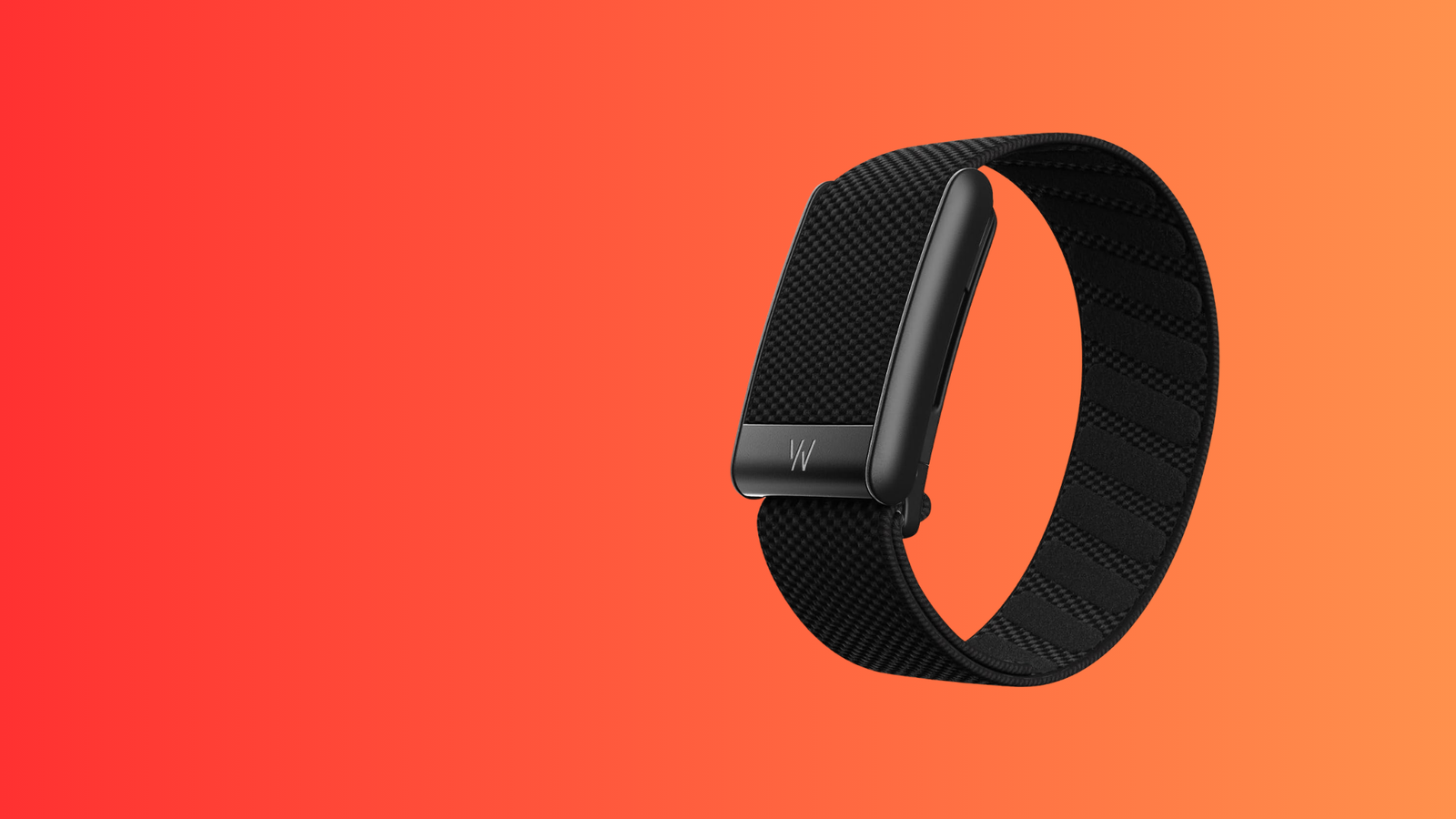
The Fitbit vs WHOOP metrics head-to-head is closer than WHOOP loyalists will want to admit. HRV tracking is competitive. Sleep staging is solid. Recovery scoring uses different inputs and methodology, which makes direct comparison complicated — but neither is obviously superior for general users.
Where WHOOP still wins: athletic credibility, coach integrations, team features, and the peer benchmarking community. If you’re training with a coach who uses WHOOP’s platform, or your team is on it, Fitbit Air doesn’t bridge that gap. The ecosystem lock-in runs both ways.
The cost math, though, is stark. WHOOP at $30/month costs $360 per year, $720 over two years, $1,080 over three. (Source: WHOOP membership pricing) Fitbit Air is $99. Even if Google introduces a premium subscription tier later — and they likely will — the baseline offering at $99 one-time purchase obliterates WHOOP’s value proposition for anyone not extracting serious athletic utility from the subscription features.
Serious endurance athletes with coaches, race schedules, and team accountability: WHOOP still makes sense. Everyone else should be doing the math.
Who Should Buy the Fitbit Air — and Who Should Pass
Buy it if: You’re on Android, already using Google services, and want serious health data without a subscription bleeding you monthly. Buy it if you’ve been WHOOP-curious but unwilling to commit to the pricing model. Buy it if you’re new to advanced fitness tracking and want real metrics without a steep learning curve.
Pass if: Your primary phone is an iPhone and you want the full feature set — you’ll get a diminished experience. Pass if you’re a competitive endurance athlete who needs coach integrations, GPS independence, and community benchmarking. Pass if you genuinely want on-wrist notifications or a display for quick data checks; this isn’t that device.
The $99 price point deserves one more read. Google isn’t pricing this to maximize margin on hardware. They’re pricing it to acquire users into Google Health, then deepen dependency through AI features, health integrations, and services over time. This is classic platform economics. The Fitbit Air is a loss-leader for the health data relationship Google wants with you. Whether that’s a good deal depends on what you’re willing to share — and how much you value what comes back.
Frequently Asked Questions
Q1: Is the Fitbit Air worth it for non-athletes?
Yes — arguably more so than for elite athletes. Non-athletes get genuine, actionable value from sleep tracking, stress monitoring, and daily readiness scores without needing the coach integrations or peer benchmarking that justify WHOOP’s subscription cost. At $99 with no ongoing fees, the barrier to entry is low enough that the data pays for itself quickly if you actually use it to adjust sleep habits or manage recovery.
Q2: Does Fitbit Air work with iPhone?
Fitbit Air works with iPhone, but with meaningful limitations. The core tracking features — heart rate, sleep, SpO2, step count — function normally via the Fitbit app on iOS. However, the deeper Google Health app integrations, including the most advanced AI-driven readiness scoring and ecosystem connectivity, rely on Android data pipelines. iPhone users get a functional experience, not the full one. If seamless Google Health integration is a priority, Android is the platform this device was built for.
Q3: How does Fitbit Air’s HRV tracking compare to WHOOP?
Both devices track HRV, but they use different methodologies that produce different numbers — so direct comparison is misleading. Fitbit Air samples HRV continuously during sleep, while WHOOP uses a morning spot measurement during a specific slow-wave sleep window. Neither is definitively more accurate for all users; they reflect different measurement philosophies. Fitbit Air’s overnight readings correlate well with chest strap baselines in testing, making the data reliable — just not equivalent to WHOOP’s output.
Q4: Does Fitbit Air require a subscription?
No. The Fitbit Air is a one-time $99 purchase with no mandatory subscription. Core health tracking features — including sleep staging, HRV, recovery scores, and the AI readiness layer — are included at no additional cost. Google has signaled that a premium subscription tier may be introduced for advanced features in the future, but as of launch, the device operates fully without recurring fees.
Q5: How long does the Fitbit Air battery last?
Google claims up to six days of battery life on a single charge. That claim is plausible given the screenless design, which eliminates the largest power drain in most wearables. Real-world usage — including continuous heart rate monitoring, SpO2 sampling, and sleep tracking — will vary, but six days is a reasonable expectation under typical conditions. That battery window meaningfully reduces the compliance friction that kills overnight tracking habits with shorter-battery devices.
Q6: Can Fitbit Air track specific workouts like weightlifting or swimming?
Swimming yes — water resistance is rated to 50 meters, making pool use fully supported. Weightlifting is more complicated. Auto workout detection identifies strength training sessions, but exercise-level granularity is limited; it will not distinguish between specific exercises like Romanian deadlifts versus leg press. For general workout logging and calorie burn estimation, it’s adequate. For detailed strength training analytics, you’ll need to log sessions manually or use a dedicated strength tracking app alongside the Fitbit platform.
Q7: Is the Fitbit Air accurate for sleep tracking?
Sleep tracking is one of Fitbit Air’s genuine strengths. Stage detection across light, deep, and REM sleep is granular, and the nightly sleep score synthesizes duration, disruptions, and restoration quality into an actionable summary. Independent research has established Oura Ring as the consumer wearable benchmark for sleep staging accuracy, and Fitbit Air performs closer to that standard than its $99 price point would suggest. It won’t match a clinical sleep study, but it’s meaningfully more useful than basic sleep duration tracking.
Q8: How does Fitbit Air connect to Google Health, and what data does it share?
Fitbit Air syncs to the Fitbit app via Bluetooth, and that data feeds into the Google Health app ecosystem — including heart rate, HRV, sleep stages, stress (via EDA), SpO2, activity, and readiness scores. On Android, this integration is deep and automatic. Google’s official privacy policy states that Fitbit health and wellness data will not be used for ad targeting without explicit user consent. Users should review the full Fitbit Privacy Policy before purchase, as health data shared with Google’s ecosystem is among the most sensitive data a wearable collects.
Verdict
At $99, Fitbit Air is not a WHOOP killer on specs. It’s a platform recruitment tool dressed as a fitness tracker — and that’s actually a smart play. For Android users and anyone burned out on subscription fatigue, it’s one of the most compelling health tracker purchases available at any price. For serious athletes or iPhone-first users, the friction is real and the trade-offs matter. Only time and testing will tell if Fitbit Air is as good as Whoop or not.
The hardware is good enough. The ecosystem is the actual product. And if Google executes on its AI coaching roadmap through 2025 and into 2026, WHOOP’s moat gets considerably narrower — faster than most people expect.
By the InsiderXP Editorial Team | May 11, 2026
Sources
- Google/Fitbit — Fitbit Air official product specifications, including sensor array and water resistance rating: store.google.com
- WHOOP — Explanation of WHOOP’s HRV measurement methodology (morning spot measurement during slow-wave sleep): whoop.com
- Altini M. & Kinnunen H., Scientific Reports (2021) — Peer-reviewed study evaluating the accuracy of consumer wearables, including Oura Ring, for sleep staging and HRV; establishes Oura’s benchmark status in independent research: nature.com
- Google — Fitbit Privacy Policy — Official statement that Fitbit health and wellness data will not be used for Google ad targeting without explicit user consent: fitbit.com
- WHOOP — Current membership pricing ($30/month), used to calculate the two- and three-year cost comparison against Fitbit Air’s one-time purchase price: whoop.com