

While this year’s highlights did include some science, perhaps the most exciting part was the confidence that these technologies will be developed. For the first time, fusion seems more like a roadmap than a moonshot, with many believing that if AI continues to assist with the production of fusion energy at this rate, clean and almost limitless energy will soon move from simply being a theoretical concept to a practical application in our daily lives.
For me, this year’s highlights were those that made the scrolling pause and take notice.
Clicks Communicator: The Return of Real Typing
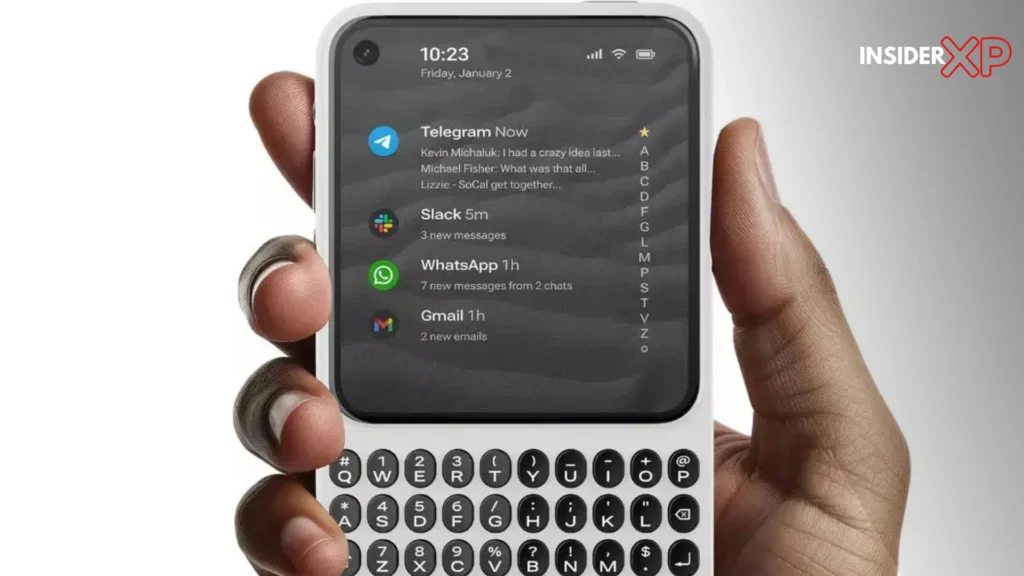
If you ever typed out long emails on a BlackBerry and secretly miss that feeling—you weren’t alone at CES 2026.
The Clicks Communicator, a product that is reintroducing physical keyboards into the smartphone industry, is designed for writers, professionals, and productivity nuts, and it just so happens that it looks and works remarkably well. It’s an entirely new device that combines all of the advantages and features of a modern smartphone with the convenience of having actual buttons that perform the same functions faster and more accurately than their touchscreen counterparts.
Actual buttons are extremely satisfying in an era where most of our lives are spent staring at digital touchscreens. The Clicks Communicator offers a refreshing alternative to autocorrecting mistakes and provides relief from continued motion and fatigue associated with using the touchscreen devices we are so familiar with. CES 2026 reminds us that innovations don’t always need to create something entirely new; sometimes they just have to return us back to a previous form of innovation that worked very well in the past.
Bird Buddy 2 Mini: Artificial Intelligence Enhancing Backyard Fun!
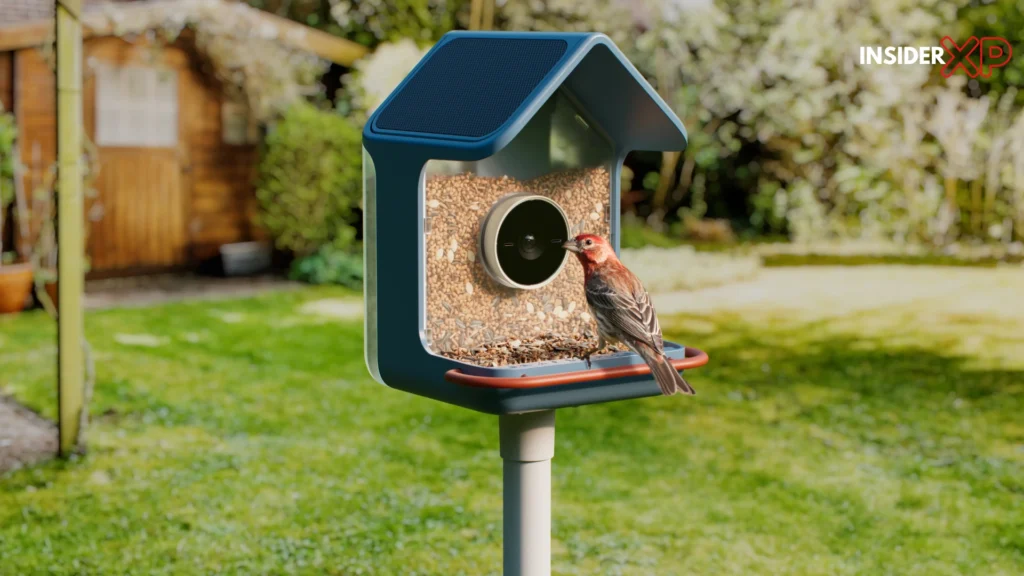
The CES 2026 technology showcase included some exciting new products that weren’t all about productivity and high-powered technology! The Bird Buddy 2 Mini is one such example – this AI-powered bird feeder is able to accurately identify birds that visit your feeder in real time and provide you with the ability to track patterns so that casual birdwatching becomes an incredibly data-rich hobby.
Unlike many other AI products at CES, I was truly impressed by how ‘approachable’ this one was. You do not need to be a ‘tech genius’ or a wildlife biologist to enjoy this product. Simply hang it outside, download its associated app, and you will now have a mini-nature documentary of your backyard!
The experience was very reassuring and showed that artificial intelligence can make everyday experiences more meaningful rather than intimidate people from wanting to use them.
Luna Band: Peaceful Wellness.
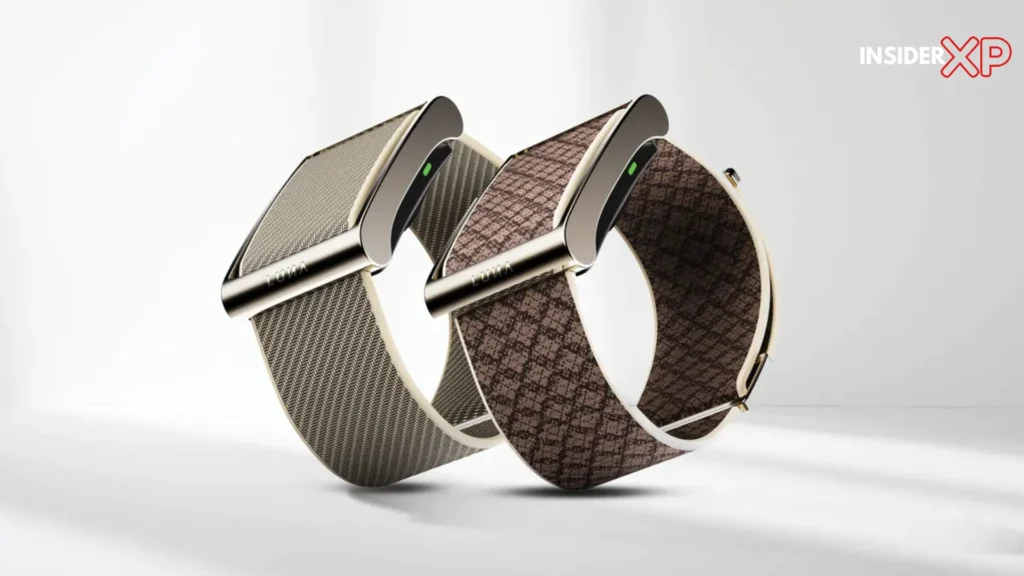
When it comes to health technology, most often times I find myself overwhelmed with numbers, charts, and alerts that turn into feelings of guilt. The Luna Band, however, did an excellent job of presenting health technology in a more calming manner. It’s an AI-based “smart band” that emphasises sleep quality, stress reduction and recovery rather than steps and calories. Rather than bombarding users with every possible data point, the Luna Band helps users gain insight into their patterns and provides some gentle, easy-to-understand feedback about how to improve their lives.
What I appreciated most about the Luna Band is the fact that it does not ‘judge’ users, does not try to ‘push’ users to achieve more, and does provide users the ability to gain an understanding of why they (and their body) feel the way they do – which feels like the direction wellness tech should have taken years ago.
Samsung Galaxy Book6: AI That Actually Stays on the Device
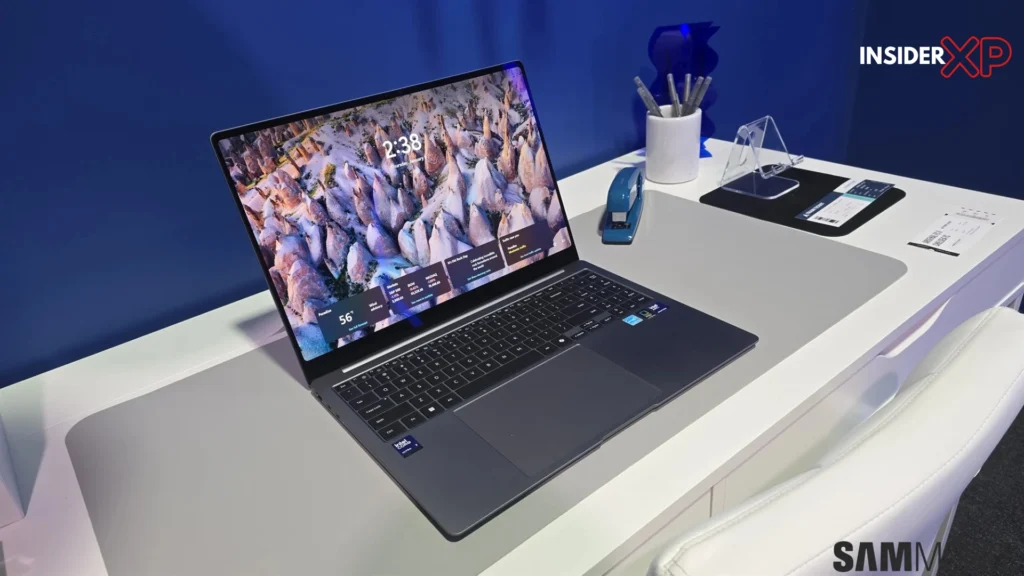
Samsung Galaxy Book6’s on-device AI enables users to perform tasks such as document summarisation, optimised battery use, etc., locally without relying on cloud storage. As a result, users have more privacy when using their devices as well as a longer-lasting battery. In addition, the Galaxy Book6 can work seamlessly within the Samsung ecosystem and does not require an internet connection to function, which creates an experience more like having a personal assistant than a laptop computer. CES 2026 has shown us that while the future of artificial intelligence may not always be stored in the cloud, it is certainly here on our desks right now.
HP EliteBook G1a: AI for Real Work
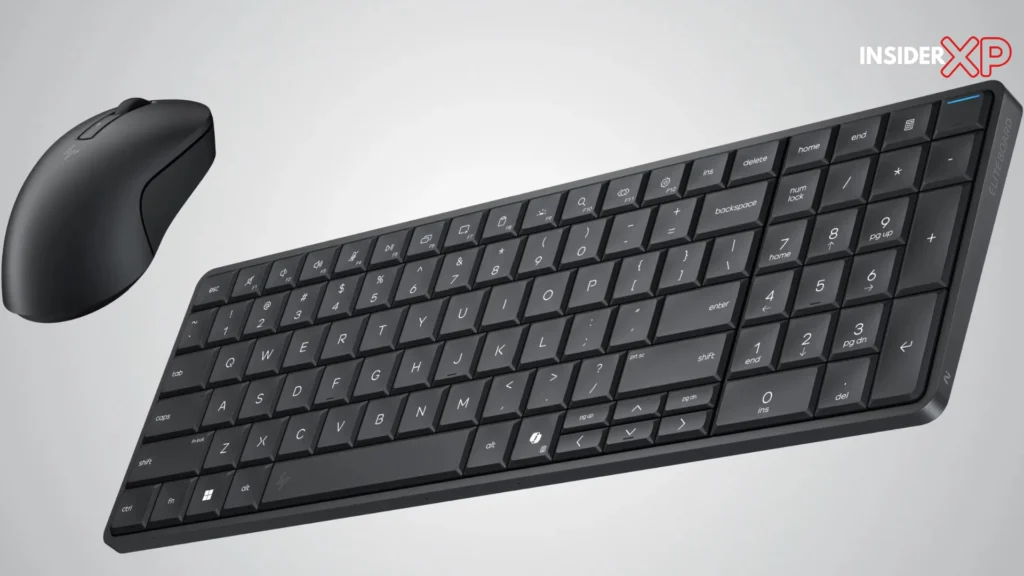
HP EliteBook G1a is an example of an AI-first enterprise laptop. Designed with business professionals in mind, HP has created a laptop focused on security, productivity and reliability. Utilising AI-driven threat detection, meeting optimisation and workload optimisation is what allows this laptop to be effective during long days of work and remote collaboration. While the EliteBook G1a isn’t flashy, it doesn’t have to be, because it is a perfect representation of how powerful artificial intelligence can be without needing to be loud.
LEGO Smart Brick – A New Way to Play
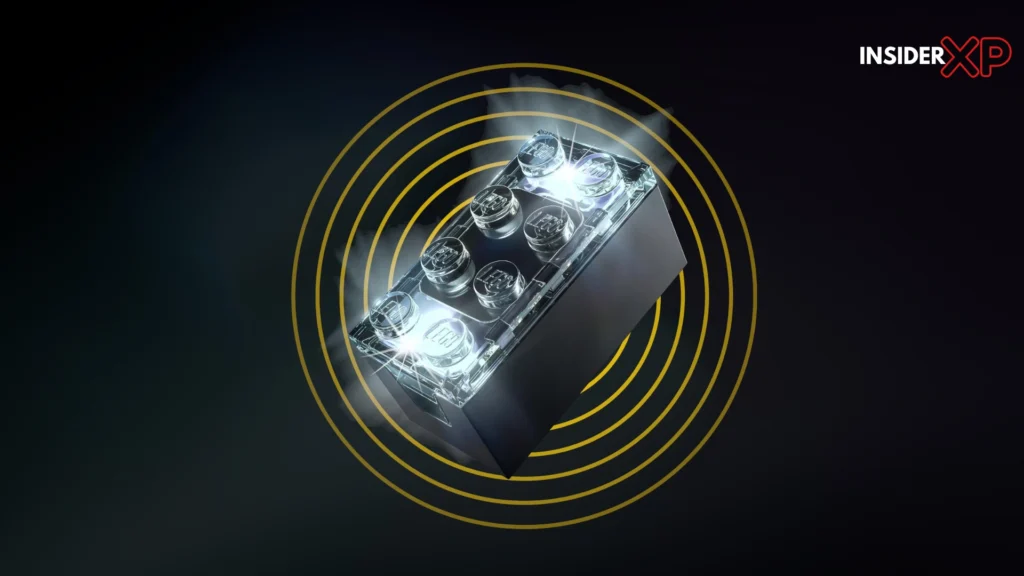
At the CES of 2026, LEGO introduced their new Smart Brick, which combines the nostalgia of many with modern technology.
Children will now have the ability to create their own interactive world utilising the sensors and NFC-enabled bricks to create a world of lights, sounds and motion based on how they create their own unique environments. Adults who may have been somewhat sceptical of the concept have also found it to be very enjoyable as well.
The important thing about this product was that LEGO remained true to their original concept of providing creativity through physical products rather than using screens to create an interactive experience; this is accomplished by using the Smart Brick to help children be creative by enhancing their imagination with a subtle level of intelligence.
LG CLOiD—New Assistant for Your Home
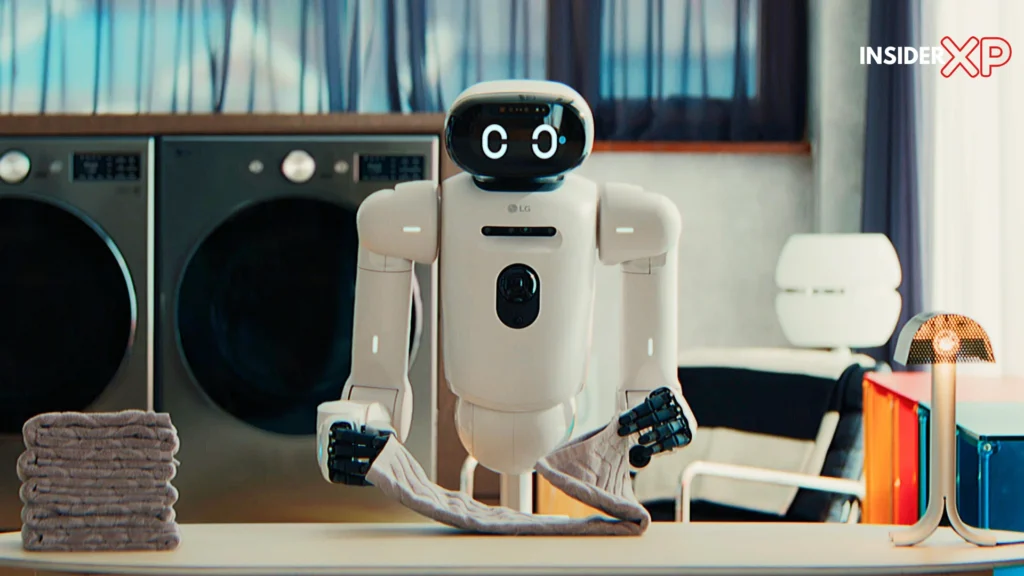
Home robots have been present at the CES for many years; however, LG’s CLOiD adds a new twist to the home assistant concept.
CLOiD’s goal is to provide assistance to families every day by managing and controlling smart home devices, helping family members develop daily routines and naturally interacting with them. The product is focused on practical uses, not just as a sci-fi toy.
The CES 2026 illustrates how home robots are no longer just a novelty and how they are transitioning to being genuinely functional products.
Segway’s New E-Bikes: Smarter, Safer, and Built for Cities
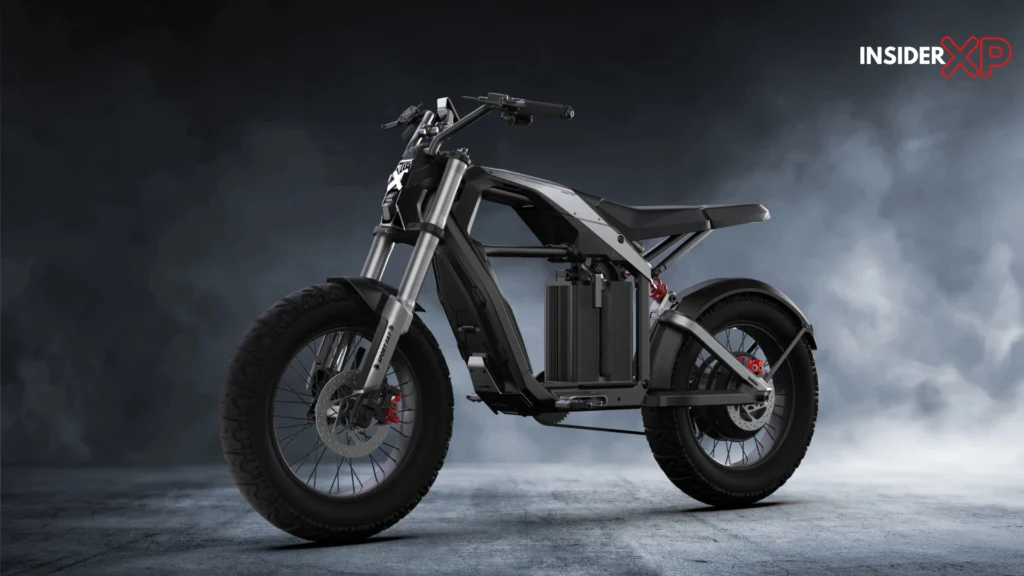
The new electric bikes from Segway were one of the highlights of the CES 2026 for several reasons.
The fact that they provide a greater range, have intelligent ride modes, and are equipped with security features for theft indicates that these products are intended for serious urban commuting, not just recreation on weekends. With their smart connectivity features, riders can adapt their riding styles based on the current traffic, terrain, and battery status.
Because of the increase in congestion in most urban centres, it is clear from CES 2026 that the future of personal transportation will be through smart technology.
Why CES 2026 Felt Different
CES 2026 was focused on the development of products and services that are designed for the everyday person, rather than merely focusing on the technologies that their development uses.
Whereas in 2025 many of the products exhibited may have been innovative in nature but were more future-orientated, the innovation from CES 2026 appears to have been more developed and realistic for immediate introduction.
For readers who want to explore CES 2026 in greater depth, it’s worth following insights from trusted technology publications and official industry platforms. Major tech outlets, brand announcements, and the official CES channels continued to share updates throughout Day 2, covering new product reveals, keynote highlights, and emerging trends gaining momentum. You can also explore our complete CES 2026 coverage at InsiderXP, where we break down the most important developments, offer clear analysis, and explain what these announcements mean for both technology and consumers. To get broader context, we also recommend reading our guide on what to expect from CES 2026, which helps connect the dots between early predictions and what’s now unfolding on the show floor.