
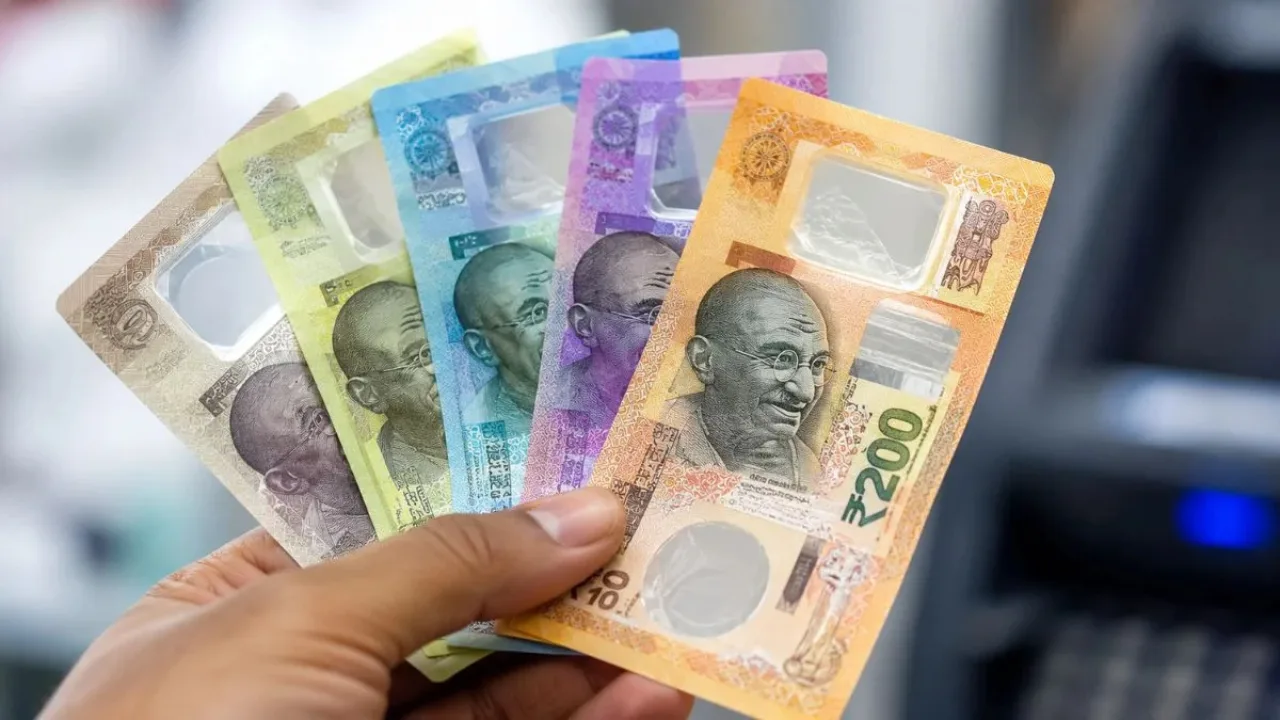
In this blog we will be discussing about the advantages, disadvantage and challenges of introduces the plastic currency in India. However, India has not yet taken any initiative in the introduction of plastic currency notes although some studies and pilot projects have already been carried out by the Reserve Bank of India on the issue. The choice of plastic currency depends upon various factors including its cost implications as well as its feasibility for use over a longer period of time.
What Is Plastic Currency?
Plastic currency refers to banknotes made from polymer, a durable and flexible plastic material. Unlike paper notes, polymer notes are resistant to water, dirt, and wear. They also include advanced security features that make them difficult to counterfeit. Polymer banknotes generally last much longer than traditional paper currency. As a result, many countries have switched to plastic notes to reduce replacement costs and improve security.
Why Is India Considering Plastic Currency?

India is considering plastic currency because polymer notes are more durable and cost-effective in the long run. Traditional paper notes often become damaged due to frequent handling and harsh weather conditions. Plastic notes can withstand these challenges much better and remain in circulation for longer periods. Additionally, polymer notes offer enhanced security features that help reduce counterfeiting. These benefits make plastic currency an attractive option for the country’s financial system.
Advantages of Plastic Currency
- One of the biggest advantages of plastic currency is its longer lifespan compared to paper notes.
- Polymer notes are water-resistant, making them less likely to get damaged during everyday use.
- They are also cleaner and more hygienic because they absorb less dirt and moisture.
- Furthermore, advanced security features make them much harder to duplicate
Disadvantages of Plastic Currency
Despite its benefits, plastic currency also has certain drawbacks.
- The initial production cost of polymer notes is generally higher than that of paper notes.
- There are also concerns regarding the environmental impact of manufacturing and disposing of plastic-based currency.
- In addition, transitioning from paper to polymer notes would require significant planning and investment.
- Public awareness and acceptance may also pose challenges during the implementation phase.
Countries Already Using Plastic Currency
There are some countries that have successfully managed to use plastic money in their monetary system. Australia happens to be the first nation that used polymer bank notes on a massive level. Other countries like Canada, New Zealand, United Kingdom, and Singapore have also opted for polymer bank notes. Some of the advantages mentioned by these countries include durability and reduction in counterfeiting.
How Plastic Currency Could Affect Citizens
Some advantages of plastic money may be derived by common individuals using the same. Clean bills that are durable will be provided to individuals. The process of dealing with old bills, as well as the replacement of torn bills, is reduced for business owners. If plastic currency in India, It may also lead to decreased counterfeiting due to security measures on the bill.
Challenges in Implementing Plastic Currency in India
Here is the video of RBI governor Sanjay Malhotra giving his words on polymer Banknotes:-1
It will not be an easy affair to introduce plastic currency in such a big country like India. The production cost of plastic currency is higher than paper currency and in addition to it plastic waste management from the production units will be a major concern , raising environmental issues There would be a lot of effort required by the government and banks to develop technology for the production of new currency notes. In addition, there will be a need for public awareness on this issue as well. Additionally, policymakers would need to carefully assess the long-term environmental impact of polymer currency.
There are many advantages of using plastic money; however, there are some disadvantages too, which need to be addressed. These include increased costs of production as well as complications regarding the use of plastic currency. There are many countries worldwide where plastic currency is being used successfully as an alternative to paper money. With careful planning and execution, plastic money can prove to be a good substitute for paper money in India. For more such content follow insiderxp.com.