
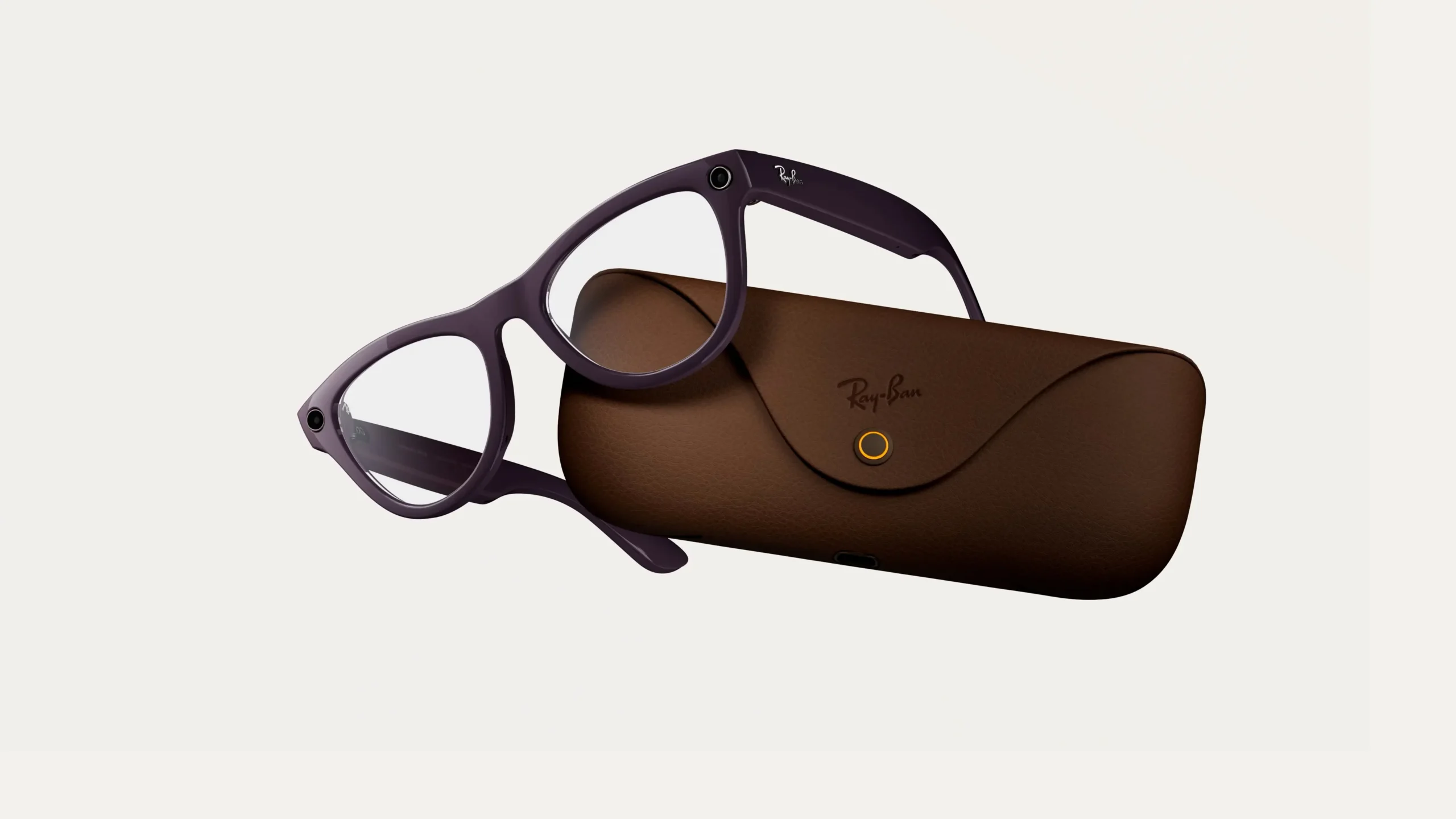
Smart glasses have always been an exciting concept – devices that integrate style and technology, keeping you connected without having to pull out your phone. Unfortunately, most other attempts have struggled to find a balance between function and style. The original Google Glass was simply too far ahead of its time and was not such a fashionable device. The event Snap Spectacles looked fun but were rather toy-like in appearance. The Bose Frames had good sound quality, but they did not provide much more than that.
Enter the Meta Ray-Ban Glasses, a partnership between Meta and the EssilorLuxottica company which is the parent of Ray-Ban. Rather than just a clunky attempt to integrate high tech, these high tech glasses use iconic Ray-Ban frames to hide the tech. The first version,
Ray-Ban Stories arrive with cameras and audio files, but only the battery life and video quality were abysmal. Now we have Gen 2 Ray-Ban Meta glasses and we might actually be closer to the dreams we had of using smart glasses.
In this complete review, we are going to unpack all you need to know regarding design, specifications, performance in the real-world, ration pros and cons, and the good news – whether or not you should buy these glasses for everyday use!
What are Ray-Ban Meta Glasses?
Essentially, it is a typical pair of Ray-Ban sunglasses, but with some extra smarts added inside. The outside looks just like a regular Wayfarer or Skyler frame. But the inside offers:
- Built-in camera: Take pictures and short videos without your phone.
- Livestream functionality: Stream directly to Instagram or Facebook.
- Open-ear speakers: Listen to audio privately while remaining alert to your surroundings.
- AI functionality: Voice-controlled assistant with “Hey Meta.”
- Touch/voice controls: Play music, capture media, or activate AI.
What’s the intention? Create smart glasses that look like regular glasses or sunglasses you would wear anyway, not simply a tech gadget.
Why Gen 2 Matters: Key Improvements
Meta clearly listened to early feedback and addressed the main shortcomings of Ray-Ban Stories.
| Feature | Gen 1 (Ray-Ban Stories) | Gen 2 (Ray-Ban Meta) | Why It Matters |
| Battery Life | ~3–4 hours mixed use | ~8 hours typical use | Full day usability, plus charging case |
| Camera Quality | 5MP / 1080p video | 12MP / 3K video | Sharper content, closer to phone-level |
| Audio Performance | Decent but low volume | Louder, clearer, less distortion | Better for music & calls |
| Styles & Frames | Limited | More choices: Wayfarer, Headliner, Skyler, different lenses | Greater personalization |
| Charging Case | Clunky | Slimmer, faster recharge | More portable, quicker top-ups |
These refinements bring Meta closer to its ambition: smart glasses you can actually wear every day without compromise.
Design & Comfort

Ray-Ban offers stylish and elegant glasses, and fortunately, Meta has not disturbed that fundamental makeup.
- Frame options: Wayfarer, Headliner, and Skyler, plus multiple color finishes available.
- Lenses: Clear, polarized, and transition lenses are all offered.
- Weight: Slightly heavier than normal glasses but well-balanced; many users say they “forget they’re smart.”
- Build quality: Premium feel but some users say it feels fragile, especially if it’s dropped.
When you wear them while commuting, walking, and even indoors, it feels surprisingly “normal.” They are not bulky or the heavy AR headsets. They integrate in with your world, your friends will have no idea you are wearing smart glasses.
Display & Audio Experience
These are not AR display glasses (with the exception of the Ray-Ban Display, which is experimental), but they do provide open-ear audio.
- Speakers: Great clarity, reduced leakage, and strong mids/highs. Bass is less than earbuds, but serviceable.
- Phone Calls: Microphone array is good in quiet places; outside, it can pick up some wind noise, but overall very usable.
- Awareness: The open design means you hear traffic, conversations, or anything in your surroundings while listening.
This makes them great for walking, commuting, and casual listening, but not for audiophiles looking for heavy bass.
Durability & Comfort for Everyday Use
Meta emphasizes 4x scratch resistance on the lenses and higher-quality construction, but they are not durable. Sweat resistance is average, but there is no full water resistance rating.
As for comfort:
- Fits well on medium-sized faces; larger heads may feel snug.
Some users report mild nose fatigue after wearing it for 3-4 hours without taking off glasses.
Processor & AI Integration
Although Meta doesn’t provide precise specifications for the chips, the processing capability was made with lightweight AI workloads in mind:
- Voice commands: “Hey Meta, take a photo,” “play some music,” “send a text.”
- Translations: No in-built translation capability, but in some regions, real-time translations will be available when supported.
- Future potential: Possibility of integration with Meta AI growth features (object recognition, enhanced recommendations).
For now it is a helper but there is nothing refined about the experience compared to Siri or Google Assistant.
Battery Life & Charging
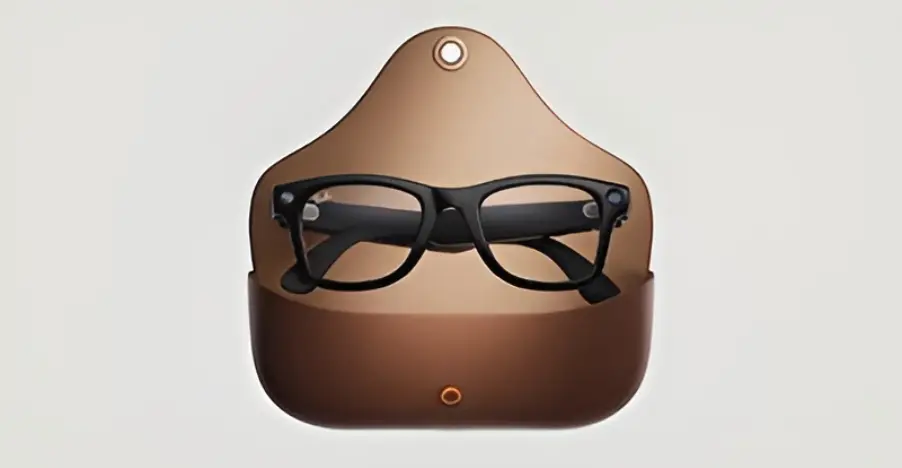
Good battery life, but somewhat situational.
- Light use: 7 to 8 hours of mixed music & calls & photos.
- Heavy use: (Video recording/video streaming) 3 to 4 hours.
- Charging case: Can provide multiple full charges. Fast charge to 50% in about 20 minutes.
If you’re using this on a casual basis, you should get through a normal day easily. If you are creating heavy, you will need to recharge a few times throughout the day.
Durability & Comfort for Everyday Use
Meta emphasizes 4x scratch resistance on the lenses and higher-quality construction, but they are not durable. Sweat resistance is average, but there is no full water resistance rating.
As for comfort:
- Fits well on medium-sized faces; larger heads may feel snug.
- Some users report mild nose fatigue after wearing it for 3-4 hours without taking off glasses.
Real-Life Use Cases
Where do these glasses thrive?
- Traveling & Exploring – Take videos and photos without having to pull out your phone.
- Cycling / Commuting – Listen to music, accept calls or hear directions while remaining aware of your surroundings.
- Content Creators – Record hands-free POV footage for Facebook and/or Youtube.
- Everyday Style – They look cool like your Ray-Ban sunglasses, not like they came from star trek.
Camera Performance

This is the area where the second generation takes the largest step up.
- Resolution: 12-megapixel still photos and 3K video recording at 30 fps.
- Stabilization: Good, although the footage can still be shaky when walking.
- Low light performance: Grainy in low light conditions; good performance in bright outdoors or well lit settings.
- Livestreaming: Great for Instagram/Facebook. The resolution is capped to maintain bandwidth.
In summary: These won’t replace your iPhone 15 Pro, but they are better than reaching for your phone for casual shots. The convenience of hands free can’t be beat.
Pricing & Availability
The starting price is $299, which will vary based on style and lens choice.
- Polarized lenses cost $329.
- Transition lenses cost $379.
- The glasses will be available in the US, UK and other select areas.
Comparing the competition
- Snap Spectacles – They’re fun, but limited. Meta glasses certainly offer better design and usability.
- Bose Frames – They have superior audio, but have no camera or AI.
- Apple Vision Pro accessories – Better in everything compared to Meta, but these are completely different. They’re more advanced, and they’re more expensive, and are not something you’d wear on a daily basis.
Meta Ray-Ban glasses are a great place to be in the line up of other products, being more usable than a pair of Bose or Snap glasses, and more affordable than AR headsets.
Anticipated Future
Looking forward:
- Meta may introduce AR HUD displays (has already alluded to Ray-Ban Display).
- More advanced AI interface (object ID, context translations).
- Better battery + waterproofing for outdoor activities.
If Meta gets these things right, smart glasses may actually replace parts of your smartphone.
Quick Snapshot Table
| Feature | Ray-Ban Meta Gen 2 |
|---|---|
| Battery Life | 7–8 hrs typical, 3–4 hrs heavy video |
| Camera | 12MP photos, 3K video, livestream support |
| Audio | Open-ear speakers, improved volume/mics |
| Storage | ~32GB built-in |
| Charging | Case with multiple recharges; 50% in 20 mins |
| Design | Multiple Ray-Ban styles (Wayfarer, Headliner, Skyler) |
| Price | $299–$379 depending on lenses |
Final Thoughts
The Meta Ray-Ban Smart Glasses Gen 2 are the strongest attempt for stylish smart eyewear yet. They do not try to be your smartphone, but rather supplement it with quick captures, casual audio, and AI help.
They’re not perfect — the battery dips if you do too much, audio leaks, and some features are region locked, but for travelers, creators, and stylish tech early adopters, they’re finally good enough to wear daily.
So, what do you think – would you wear smart glasses every day if they looked like Ray Bans? Or do you prefer taking out your phone for everything?
If you want further, more in-depth tech reviews, comparisons, and insights into wearables, check out our most recent blogs on InsiderXP.