
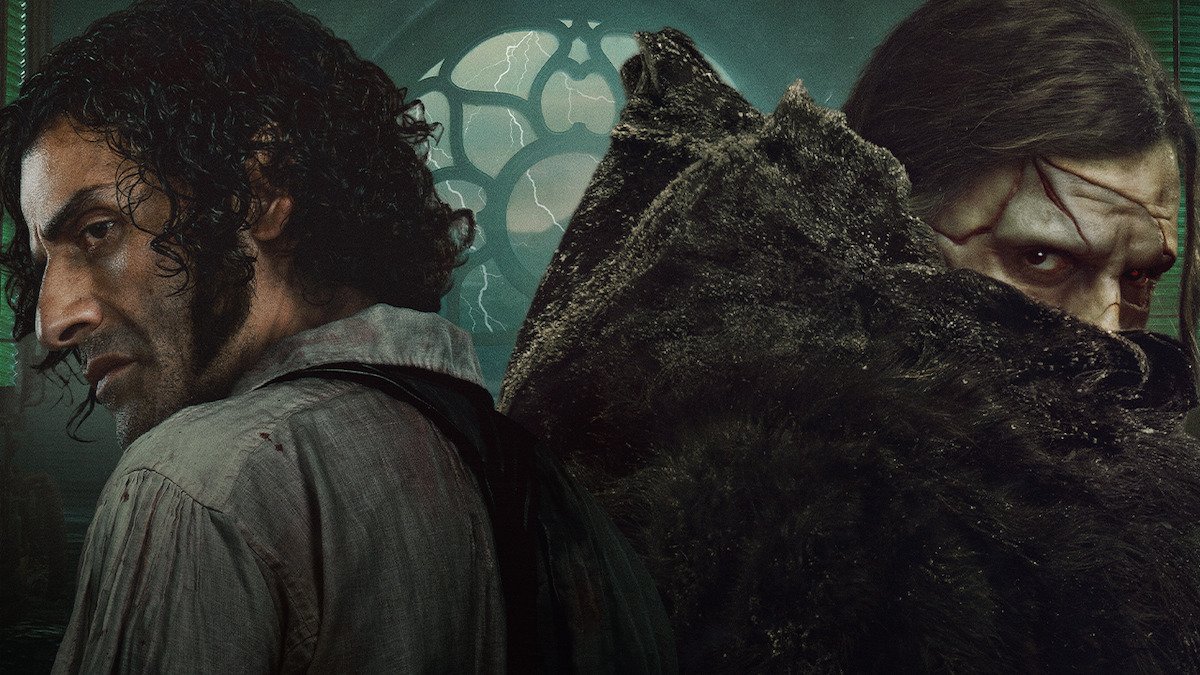
When it comes to dark, thought-provoking stories that blend science, emotion, and spectacle, Netflix knows how to keep us hooked. The latest Frankenstein movie is no exception. This new reimagining of Mary Shelley’s gothic masterpiece redefines what a modern monster tale can be—a haunting fusion of technology, humanity, and obsession. Starring the magnetic Oscar Isaac, the film stands out as both a gripping sci-fi thriller and a deeply personal exploration of creation and consequence.
Buzz has been building among global viewers and critics alike, with fans already adding it to their Netflix movie recommendations lists. In this review, we’ll break down everything that makes the Frankenstein movie one of Netflix’s boldest and most unforgettable releases yet.
Movie Overview
The Frankenstein movie is a masterfully reimagined cinematic experience that merges gothic horror, futuristic science, and emotional storytelling into a visually stunning narrative. This Netflix Original reinvents Mary Shelley’s timeless tale through a modern lens, exploring the moral boundaries of creation and the fragile line between innovation and obsession.
At the heart of the film is Oscar Isaac, delivering one of his most compelling performances to date as Victor Frankenstein—a brilliant yet tormented bioengineer who dares to challenge nature itself. His journey is both external and internal, filled with moments of triumph, despair, and haunting self-reflection. Every scene, from the sterile hum of laboratories to the eerie stillness of his creation’s awakening, carries purpose and emotional weight.
What sets the Frankenstein movie apart from typical horror or sci-fi thrillers is its balance between visual grandeur and psychological depth. The direction by Alex Garland maintains a delicate rhythm between high-intensity sequences and quiet, meditative pauses—allowing viewers to feel both the pulse of innovation and the ache of isolation. Oscar Isaac anchors the narrative with raw vulnerability, embodying a man torn between genius and guilt.
For fans curating their Netflix movie recommendations, this is a must-watch: an electrifying blend of artistry, emotion, and existential reflection that proves even familiar monsters can be reborn in extraordinary ways.
Cast & Performances
The Frankenstein movie features one of the most captivating ensembles Netflix has assembled in recent memory—a lineup that brings depth, charisma, and emotional complexity to every frame.

Leading the charge is Oscar Isaac, whose portrayal of Victor Frankenstein is nothing short of mesmerizing. Isaac channels the perfect blend of intellect, arrogance, and torment, making Victor both visionary and vulnerable. His ability to convey internal conflict with just a glance or a measured breath gives the film its emotional anchor. It’s the kind of performance that reminds viewers why he continues to dominate modern cinema—and why this Frankenstein movie belongs among your top Netflix movie recommendations.
Jacob Elordi delivers an unexpected standout turn as the Creature—a role that’s both physically commanding and profoundly human. He captures the tragedy of existence with aching sincerity, portraying a being who craves acceptance as much as he embodies fear. Opposite Isaac, their scenes together pulse with intensity and raw emotion, creating some of the film’s most memorable moments.
Mia Goth shines as Dr. Helena Strauss, a brilliant yet morally conflicted geneticist who becomes Frankenstein’s intellectual equal and emotional compass. Her quiet strength and layered vulnerability give the story heart amid the chaos of ambition and consequence.
Adding gravitas to the supporting cast, Christoph Waltz plays Dr. Reinhardt, a mentor-turned-antagonist whose philosophical sparring with Victor adds sharp tension and moral complexity. Felix Kammerer and Sofia Galasso bring authenticity to their supporting roles, grounding the film’s scientific intrigue with genuine human warmth.
Veterans Charles Dance and Ralph Ineson lend their signature authority and intensity to key roles that underscore the film’s darker, more reflective tones. Their commanding screen presence amplifies the story’s stakes, reminding viewers that every creation comes with a cost.
Together, this ensemble transforms the Frankenstein movie into a masterclass in performance—each actor perfectly attuned to Garland’s vision of beauty and horror intertwined. From Isaac’s tortured brilliance to Elordi’s aching innocence, every performance feels deliberate and alive, breathing new soul into a centuries-old tale.
What Worked & What Didn’t
What Worked
The Frankenstein movie thrives on its ability to blend gothic atmosphere with modern sci-fi elegance. Director Alex Garland crafts a visually arresting world—sleek, haunting, and emotionally resonant. From the sterile glow of the lab to the storm-swept chaos of creation, every frame feels purposeful and symbolic.
Oscar Isaac anchors the story with a magnetic performance that elevates every scene. His portrayal of Victor Frankenstein captures both the brilliance and the torment of a man consumed by ambition. Florence Pugh and Riz Ahmed add emotional texture, turning what could have been a straightforward horror into a layered exploration of humanity and identity.
The screenplay stands out for its balance—it’s philosophical without being preachy and thrilling without losing depth. The pacing, paired with the haunting score and Garland’s precise direction, ensures the film never feels hollow despite its heavy themes. It’s the kind of movie that sticks with you, making it a worthy addition to any list of Netflix movie recommendations this season.
What Didn’t
While the Frankenstein movie delivers on visual spectacle and emotional weight, it occasionally stumbles under the pressure of its own ambition. The dialogue, at times, leans heavily into scientific jargon, which might distance viewers looking for a more straightforward narrative.
Some may find the film’s pacing uneven—the slower, introspective middle act contrasts sharply with its electrifying start and finish. For casual Netflix viewers, this tonal shift might feel like a lull rather than a build-up.
Additionally, the film’s philosophical undertones—though intellectually stimulating—could alienate audiences expecting a traditional horror or action-driven story. Those drawn in by the title alone might be surprised by how much this Frankenstein movie functions as a psychological drama rather than a monster flick.
Themes & Symbolism
At its core, the Frankenstein movie isn’t just about science gone wrong—it’s about the timeless human desire to create, control, and ultimately, understand ourselves. Alex Garland takes Mary Shelley’s classic question—“What makes us human?”—and reframes it for the modern age of artificial intelligence and bioengineering. Through sleek visuals and emotional storytelling, the film turns Victor Frankenstein’s experiment into a mirror reflecting our collective obsession with progress and perfection.
Oscar Isaac’s portrayal of Victor encapsulates the film’s central theme: the duality of creation and destruction. His character is both a visionary and a victim, blinded by ambition yet yearning for redemption. Every choice he makes symbolizes the moral tightrope between discovery and hubris—a reminder that even the noblest intentions can unleash uncontrollable consequences.
For audiences seeking Netflix movie recommendations that go beyond surface-level entertainment, this film stands out for its thematic richness. The Frankenstein movie invites viewers not just to watch but to reflect—on morality, innovation, and the fragile balance between brilliance and madness.
If you enjoyed reading our detailed take on the Frankenstein movie, don’t stop here!
Check out our other movie review blogs for more insights, critiques, and recommendations on the latest Hollywood and international releases. From chilling sci-fi thrillers to heartwarming Netflix Originals, we’ve got your next movie or series night covered—including the best Netflix movie recommendations you won’t want to miss.


