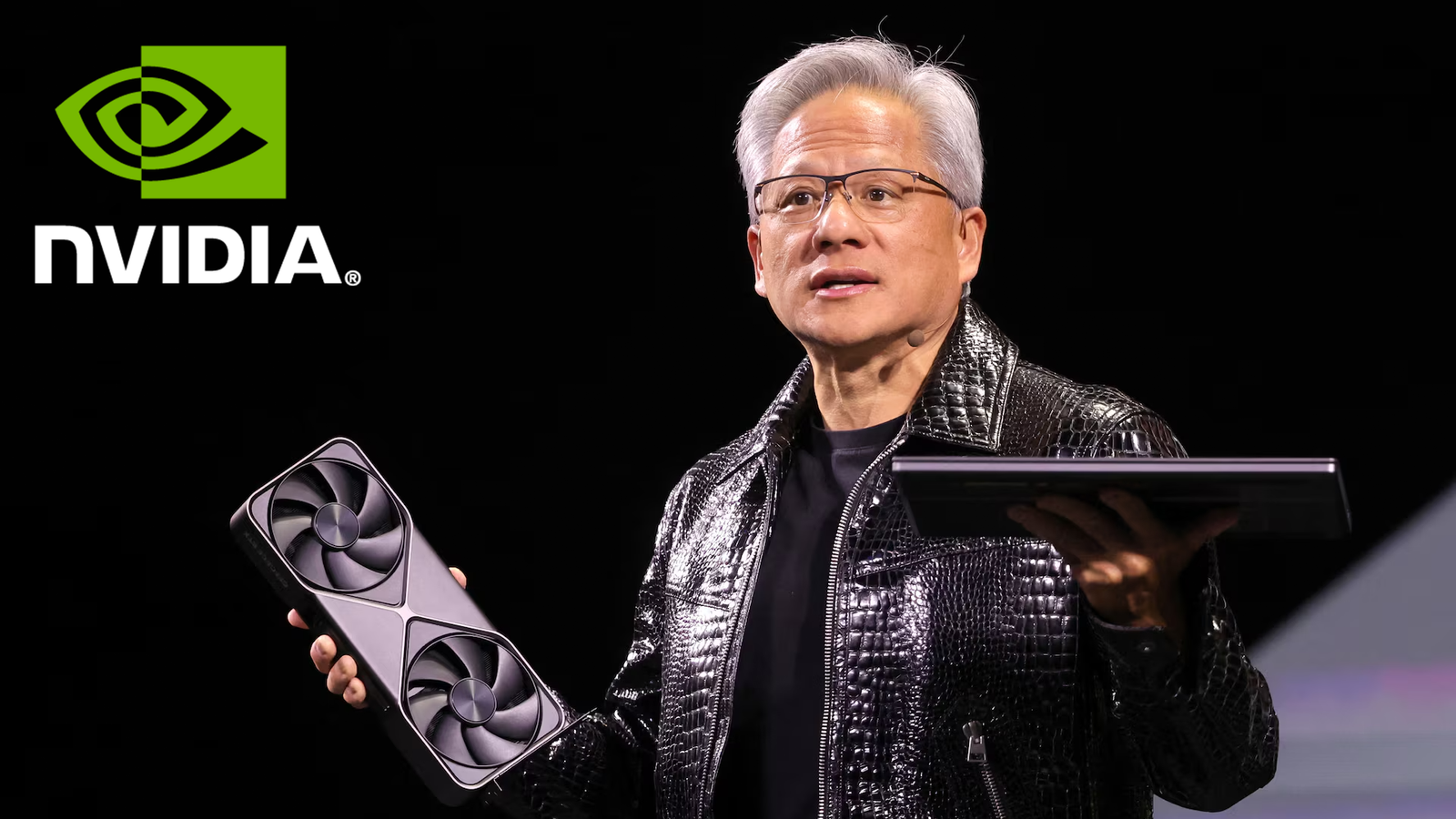
At CES 2026 in Las Vegas, NVIDIA took center stage with a slate of announcements that go far beyond graphics cards and gaming, laying out a broad AI-first roadmap for computing, data centers, and autonomy.
Vera Rubin: NVIDIA’s Next-Gen AI Platform

The centerpiece of NVIDIA’s CES 2026 showcase is the Vera Rubin platform, an integrated system of six high-performance components designed to tackle future AI workloads at scale.
This new architecture bundles:
- Vera CPU
- Rubin GPU
- NVLink 6 Switch
- ConnectX-9 SuperNIC
- BlueField-4 DPU
- Spectrum-6 Ethernet Switch
Together, these components form a unified AI computing platform meant to significantly reduce training costs, accelerate inference, and improve scalability for advanced AI models. Early reports suggest training and inference token costs could drop by as much as 10× compared with the previous Blackwell platform.
According to NVIDIA and analysts covering CES 2026, Vera Rubin represents a strategic shift in how AI infrastructure is designed — moving away from discrete components toward tightly co-designed systems optimized for agentic and mixture-of-experts (MoE) models. The Verge
This platform also reflects NVIDIA’s expanding role beyond graphics into data center AI workloads, powering everything from cloud computing hubs to autonomous AI systems.
DLSS 4.5: Bigger Improvements for Gamers

For gamers and creators, NVIDIA announced DLSS 4.5, the next major update to its popular Deep Learning Super Sampling technology. This version introduces:
- 6x Dynamic Multi-Frame Generation
- Second-generation transformer-based super resolution
- Sharper visuals with better motion clarity
More than 400 games and apps now support DLSS, and the improved frame generation modes will launch with certain RTX 50-series GPUs later in Spring 2026. DLSS remains a cornerstone of NVIDIA’s gaming strategy, enabling higher frame rates and better image quality without proportionally increasing GPU workloads — a major benefit as gaming moves toward 4K and higher refresh rates.
AI Models, Robotics & Physical Intelligence
CES 2026 also highlighted NVIDIA’s work in physical AI and robotics — where AI systems perceive, reason and act in the real world. Together with partners like Boston Dynamics and LG Electronics, NVIDIA unveiled new open physical AI models and frameworks that help developers train robots and autonomous machines more efficiently.
These models (such as NVIDIA Cosmos and GR00T) are designed to speed robot training workflows and enable generalist-specialist behavior — a significant leap from traditional robotic programming. NVIDIA Newsroom
Expert Reactions
Tech analysts covering CES 2026 have noted that NVIDIA’s announcements extend well beyond typical consumer tech.
Industry experts describe Vera Rubin as a defining moment for AI infrastructure, especially as large language models and autonomous systems demand more specialized hardware and software synergy. Some compare its potential impact to earlier AI milestones like the introduction of Blackwell GPUs — but with broader implications across data centers, robotics and agentic AI. Quartz
TechCrunch emphasizes AI as the central theme of CES and suggests NVIDIA’s announcements will shape AI trends for the year. TechCrunch
Engadget highlights autonomous systems and AI reasoning as pivotal, especially with robotics demos and platform tools on display. Engadet
Others pointed out that while there’s no new consumer GPU launched at CES this year, NVIDIA’s focus on software, AI platforms and infrastructure ecosystems signals a long-term strategy that could influence how AI applications are built and deployed in the coming years. Insider Gaming
InsiderXP Take: Beyond the Buzz
If there’s one thing NVIDIA’s CES presence makes clear, it’s this: AI isn’t just software anymore — it’s embedded into every layer of computing. From training platforms to autonomous systems and real-time graphics, NVIDIA wants its tech to be the connective tissue of tomorrow’s digital ecosystem.
For developers, enterprises, and gamers alike, 2026 is shaping up to be less about incremental upgrades and more about foundational shifts in how machines learn, interpret, and interact with the world.
Check out our full coverage of CES 2026 at InsiderXP — trends, analysis, and what the biggest announcements mean for tech and consumers.